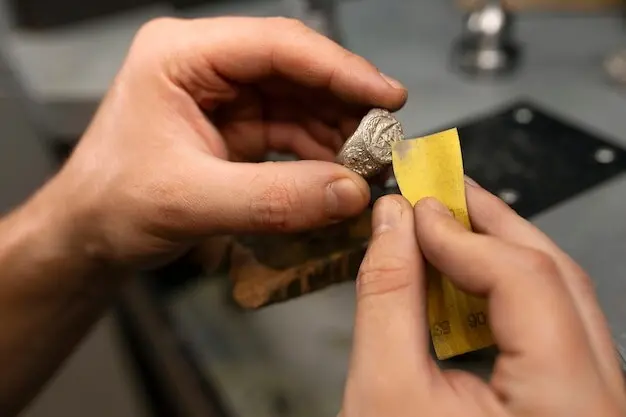
Urban Mining and Recycling: The Second Life of Global Gold

Today we dive into urban mining and responsible recycling, spotlighting how discarded electronics, jewelry scraps, and industrial residues become new sources of precious metal. By revealing the science, policy, and human stories behind this regenerative flow, we explore practical steps that turn cluttered drawers, facility bins, and aging infrastructure into cleaner supply chains, meaningful jobs, and beautifully refined bullion ready to circulate again with transparency, efficiency, and pride.

From E-waste to Bullion: Where the Hidden Veins Run

Why Cities Rival Traditional Mines

Urban centers behave like unconventional ore bodies, gathering decades of electronics, telecommunication hardware, and obsolete industrial controls. Instead of hauling rock, teams map neighborhoods, institutions, and businesses. Collection routes replace haul trucks, and pre-processing replaces blasting. While grades vary, circuit boards can hold concentrations dramatically higher than typical mined ore, enabling shorter transport distances, faster turnaround, and initiatives that honor both environmental stewardship and community livelihoods built upon sorting expertise and respectful, dignified, safer recovery work.

Anatomy of a Device: Where the Gold Hides

Gold hides in plain sight: thin plating on connectors, bond wires inside chips, contact pads, and edge connectors that slide into sockets with reliable conductivity. It resists corrosion, enabling signal integrity under heat and humidity. Unlocking these tiny deposits means targeted dismantling, shredding with controlled particle sizes, magnetic and eddy-current separation, and sorting that isolates high-value fractions. It is a meticulous treasure hunt guided by engineering drawings, teardown experience, and patient hands trained to separate value from bulk efficiently.

A Short Walk Through a Scrap Yard

Step past neatly stacked pallets of motherboards and backplanes, and you hear a different heartbeat of a city. Forklifts hum, scales click, labels record chain-of-custody, and skilled sorters distinguish memory modules from power boards by touch. The smell of solder and cardboard hangs in the air. Every box documents potential, every batch a small promise. Here, optimism is measured in kilograms of sorted fraction, destined for cleaner chemistry and the soft glow of a freshly poured, responsibly traced, recycled bar.

Science of Recovery: Smarter Chemistry, Cleaner Results

Behind the romance of turning scrap into bullion stands a laboratory of practical innovation. Mechanical pre-processing concentrates value, then hydrometallurgy or carefully managed pyrometallurgy takes over. Alternatives to conventional cyanide, like thiosulfate or iodine-iodide systems, increasingly show promise when thoughtfully engineered. Electro-winning plates precious metals from solution, while closed-loop acid recovery reduces waste. Each decision balances yield, worker safety, reagent recirculation, and energy use, pushing the craft toward processes that protect lungs, watersheds, and hard-earned community trust.

Design for Disassembly: Gold-Friendly Products from the Start

Urban mining thrives when products are built for graceful exits. Designers can specify connector finishes wisely, avoid unnecessary adhesives, and favor snap-fits allowing quick separation. Standardized fasteners and clear labeling accelerate disassembly and sorting. Firmware that tracks parts and materials helps recyclers, while modular boards reduce cross-contamination. Early collaboration between engineers, recyclers, and policy makers means fewer hazmat headaches, faster throughput, better yields, and end-of-life paths that dignify the ingenuity invested in every device’s first, bustling service life.

People, Policies, and Proof: Trusting the Second Life of Gold

Trust rests on verifiable data and respectful inclusion. Transparent sourcing frameworks, rigorous audits, and digital chain-of-custody systems document every handoff. Informal collectors, often first to recognize value, deserve fair pricing, training, and safety gear. Certification bodies, guidelines, and due-diligence protocols anchor expectations. When workers feel protected and buyers see compliance records, markets reward circular material. It is humanity, policy, and technology moving together, ensuring that each gram reenters commerce without shadows, shortcuts, or unanswered questions haunting its origin.

Economics That Add Up: Value, Jobs, and Local Resilience

Urban mining pencils out when logistics, throughput, and yield harmonize. Concentrated feedstocks shorten payback cycles, and predictable flows stabilize payrolls. Rather than chasing speculative ore grades, operators cultivate relationships with schools, businesses, and municipalities. Modest facilities can scale with containers, shifts, and partnerships. When processors share data with designers and policymakers, incentives align. The result is durable work, credible margins, and independent capacity that keeps more value circulating locally while insulating communities from global shocks and volatility.

Unit Economics of a Smartphone

A single handset contains tiny flecks of gold, often only tens of milligrams, but aggregated volumes tell a different story. Collection drives, trade-in programs, and repair pipelines convert scattered devices into steady feed. High-yield fractions like boards and connectors amplify returns, while plastics and base metals offset costs. Accurate grading, fair buying, and fast settlement build trust with suppliers. These fundamentals, repeated week after week, underpin profitable operations that honor both environmental commitments and the everyday realities of cash flow.

Community-Scale Refineries That Work

Not every solution needs a mega-smelter. Small, compliant facilities can pre-process locally, then partner with specialized refiners for final polishing. This hybrid model reduces transport emissions, creates skilled jobs, and opens pathways for apprenticeships. Investment focuses on dust control, ventilation, water treatment, and training rather than monumental furnaces. With incremental equipment additions guided by data, plants climb the learning curve responsibly, improving recovery rates while showing neighbors that industry can operate cleanly, transparently, and with genuine community benefit.

When Policy Meets Market Signals

Smart policy unlocks private action. Deposit-refund schemes, clear procurement rules for recycled content, and predictable permitting timelines reduce risk. Market makers then step in with financing, take-or-pay contracts, and analytics that sharpen pricing. Together, these signals shorten the distance from pilot to scale. They help innovators afford safer chemistries and better ventilation, and they reward honest reporting. Everyone wins when consistent rules and clear demand turn circular ambition into day-to-day operational discipline and reliable, fairly priced recycled gold supply.

Environmental Gains You Can Feel: Carbon, Water, and Toxics Avoided

Urban mining’s quiet triumph is subtraction: fewer mountains moved, fewer tailings ponds, less diesel burned, less polluted runoff. Life-cycle assessments repeatedly indicate substantial reductions in greenhouse gases and water impacts when clean recycling replaces primary extraction. Local air quality improves with good filtration and enclosed processes, protecting workers and neighborhoods. By aligning science, engineering, and oversight, we transform hidden burdens into measurable relief, proving that prosperity can be uncoupled from the scars of unnecessary, preventable environmental damage.

Life-Cycle Reality Check

Comparing kilograms of refined metal without context misses the point; impacts flow from every step. Transport kilometers, reagent recovery, filter cake handling, and power mix all matter. Done well, urban mining replaces blasting with sorting, ore hauling with route planning, and vast tailings with managed residues. Continuous monitoring and public reporting keep improvements honest. Over time, these choices add up, shrinking footprints while preserving capacity to respond quickly when new device generations change material mixes and recovery challenges.

Cleaner Air in Real Neighborhoods

For communities beside processing hubs, details like negative-pressure rooms, HEPA filtration, and disciplined housekeeping are not abstractions; they shape daily life. Facilities that invite tours, publish emissions dashboards, and respond promptly to concerns build durable goodwill. When children play outside without worrying about metalliferous dust, and workers finish shifts without headaches, trust deepens. Urban mining earns its social license precisely by designing for neighbors first and proving that industry can hum quietly and respectfully within city limits.

Safer Chemistry, Safer Workers

Substituting less hazardous leachants is only the beginning. Training, clear labeling, spill drills, and ergonomic workstations round out protection. Vent lines should be short and monitored; PPE must fit properly and be readily available. Rotating tasks reduces repetitive strain, while real-time sensors catch excursions before they become incidents. The message to every technician is simple and powerful: your well-being outranks throughput. In that culture, quality rises, recoveries improve, and gold returns to market carrying a story of care.

Join the Loop: How You Can Help Today

Turning forgotten devices into elegant, traceable metal starts at home and work. Organize collection days, ask repair shops about parts harvesting, and support brands that publish recycling data. Volunteer with local drives, and request responsible processors through municipal channels. Share this knowledge with family and colleagues so drawers empty into programs, not landfills. Then return here for practical guides, community updates, and honest discussions that celebrate progress while tackling hard problems together with curiosity, humility, and persistent hope.

Audit Your Drawer and Act

Open that drawer of retired gadgets and cords. Sort working devices for donation, gather the rest for certified collection, and remove personal data before drop-off. Photograph serial numbers for peace of mind. Invite friends to do the same and combine batches to improve logistics and bargaining power. One small habit, repeated seasonally, keeps materials flowing, builds momentum, and reminds everyone that circularity begins not in faraway mines, but in our own kitchens, closets, studios, and quiet office corners.

Champion Better Design in Your Circles

Whether you are a student, engineer, or curious neighbor, your voice influences design. Ask brands about repairability, spare parts, and disassembly guides. Praise modular approaches and transparent material lists. Encourage procurement teams to prefer products with published take-back programs and recycled content. Celebrate companies that iterate and publish lessons learned, not just perfect imagery. When everyday conversations reward practical circular choices, boards and investors follow. Culture shifts first, then spec sheets, then the satisfying hiss of a responsibly poured bar.

Share Your Story and Stay Connected

Tell us how you turned e-waste into value at home, in a classroom, or at work. What worked, what failed, and what surprised you. Post questions, request deep dives, or suggest interviews with practitioners. Subscribe for new case studies, chemistry explainers, and policy breakdowns. Your insights shape upcoming explorations, helping this community surface obstacles early and celebrate breakthroughs loudly. Together, we can keep global gold moving in brighter circles, honoring people, places, and possibilities with every thoughtful recovery.
Rinotelinarivirofarisento
Privacy Overview

This website uses cookies so that we can provide you with the best user experience possible. Cookie information is stored in your browser and performs functions such as recognising you when you return to our website and helping our team to understand which sections of the website you find most interesting and useful.